Period in winter
Winter can be beautiful, but our bodies have a lot to contend with during this time. Our hormonal system, in particular, reacts sensitively to cold, less sunlight, and altered habits. And yes: all of this can also affect the menstrual cycle.
What happens in your body, why you might bleed more heavily in winter, and how you can best support yourself during this season? We have the answers!
Does winter affect your period?
Our body constantly adapts to its environment. When it gets cold outside, several processes occur simultaneously that can influence the menstrual cycle.
1. Cold can cause stress in the body
Low temperatures are considered a physical stressor. This means the body releases more stress hormones like cortisol. This hormonal stress response can, in turn, affect the menstrual cycle, for example, through slight shifts or more severe PMS symptoms.
2. Vitamin D deficiency due to less sunlight
In winter, the body produces less vitamin D. This nutrient plays an important role in hormone regulation and can influence how stable or regular the cycle is. A deficiency can, among other things, worsen PMS or contribute to more severe mood swings.
3. Less exerciseMany people automatically exercise less in winter. However, regular exercise supports metabolism and hormone balance. Less activity can therefore promote cycle irregularities or intensify symptoms.
4. Different eating habits
Gingerbread, mulled wine, hot chocolate – highly processed foods and more sugar can throw the hormonal balance off. Blood sugar is particularly sensitive here, and it, in turn, affects overall well-being throughout the cycle.
5. Winter blues and seasonal depression
Less light, shorter days, and persistent cold can lead to seasonal affective disorder (SAD). This is often accompanied by higher stress levels. Since the stress hormone cortisol interacts with sex hormones, winter mood lows can also affect the cycle.

Does cold weather lead to heavier menstrual bleeding?
There is evidence that cold weather can indeed affect menstrual bleeding.
Why this might happen:
- Hormonal changes due to less sunlight: Less light can affect melatonin and serotonin levels, thereby impacting the hormonal balance that regulates the cycle.
- Blood vessel constriction due to cold: In cold temperatures, blood vessels constrict. This partially impedes blood flow, which can trigger compensatory mechanisms in the body that lead to heavier bleeding.
- Increased prostaglandins: Cold can increase the production of prostaglandin-like substances. Prostaglandins trigger uterine contractions during menstruation. More of them often means stronger cramps, and for some people, also more intense or painful bleeding.
If your bleeding suddenly changes significantly or becomes unusually heavy, you should seek medical advice.
During which phase of the cycle do you feel coldest and why?
Many menstruating people report that they are particularly sensitive to cold shortly before ovulation or shortly before their period.
Reasons may include:
- Body temperature fluctuates by up to 0.7 °C during the cycle.
- Many people feel particularly cold during the two days before ovulation.
- Shortly before the period, the so-called period flu can also occur: symptoms such as feeling cold or chills are reminiscent of a cold.
- Hormonal changes are responsible for this: progesterone rises, estrogen drops rapidly, and at the same time, cortisol levels increase.
- This combination can temporarily weaken the immune system. That's why you sometimes feel exhausted or unwell before your period and get cold more easily.

What changes occur during the "winter phase" of the cycle?
Many people associate the early days of menstruation with the inner season of "winter."
This phase begins approximately one to two days before the period and includes menstruation itself.
Typical characteristics:
- The need for rest and withdrawal increases.
- The body deliberately slows down.
- The uterine lining is shed – a physical and emotional reset.
- It is often a phase of reorientation and gathering strength.
You can learn more about the inner seasons in our article: Understanding the Menstrual Cycle & Period
Which tips are particularly helpful during your period in winter?
To feel good and support your body during this time, the following tips can be helpful:
Get more light
Morning walks, daylight lamps, or vitamin D-rich foods (fatty fish, fortified products) can increase well-being.
Eat and drink warm foods
Warm meals, soups, stews, or porridge support body warmth and have a relaxing effect.
Stay gently active
Gentle movement such as walks, stretching, or yoga helps release tension and lift your mood.
Consciously plan rest periods
Winter and menstruation are a combination that demands rest.
It's good to:
- Reduce appointments
- Organize support in everyday life
- Take short breaks
- Block out time for yourself (10–30 minutes are often enough)
Ensure sufficient fluid intake
Even if the feeling of thirst is lower in winter, hydration supports blood circulation and can reduce discomfort.
For more comfort in winter and all year round: ooia period underwear
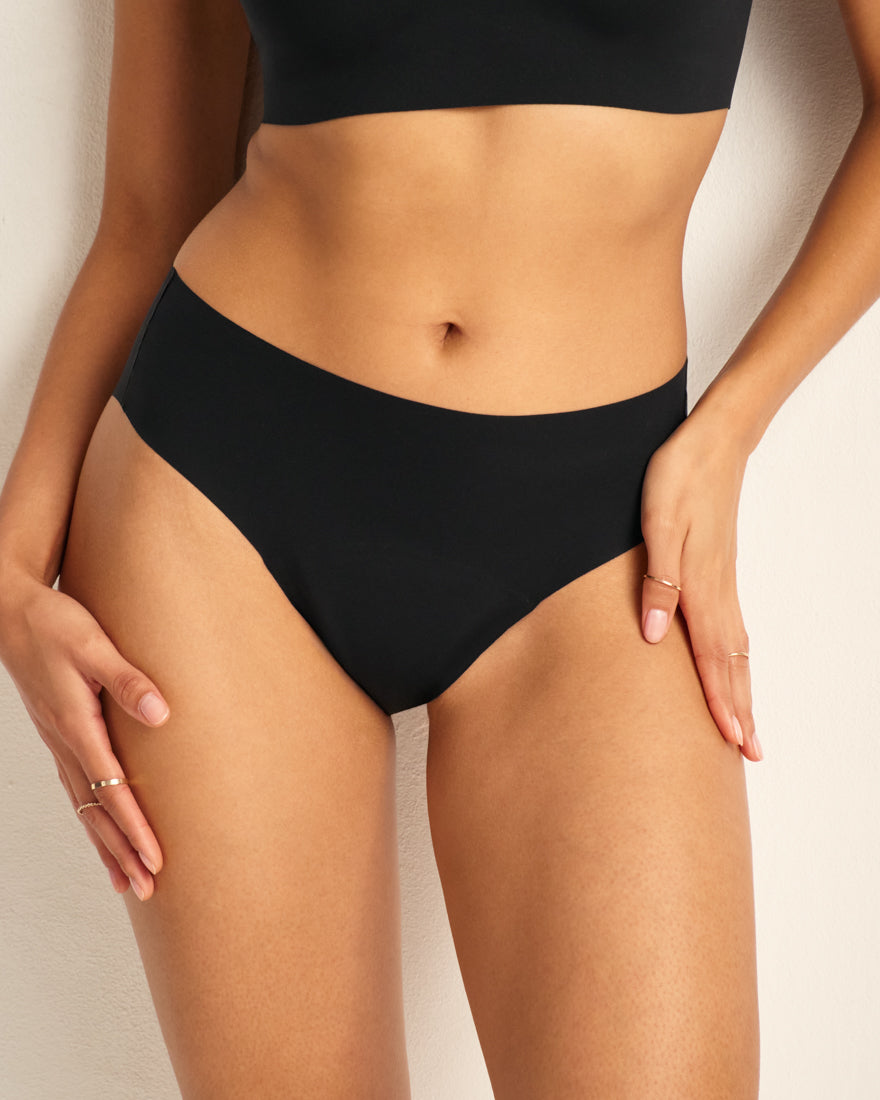
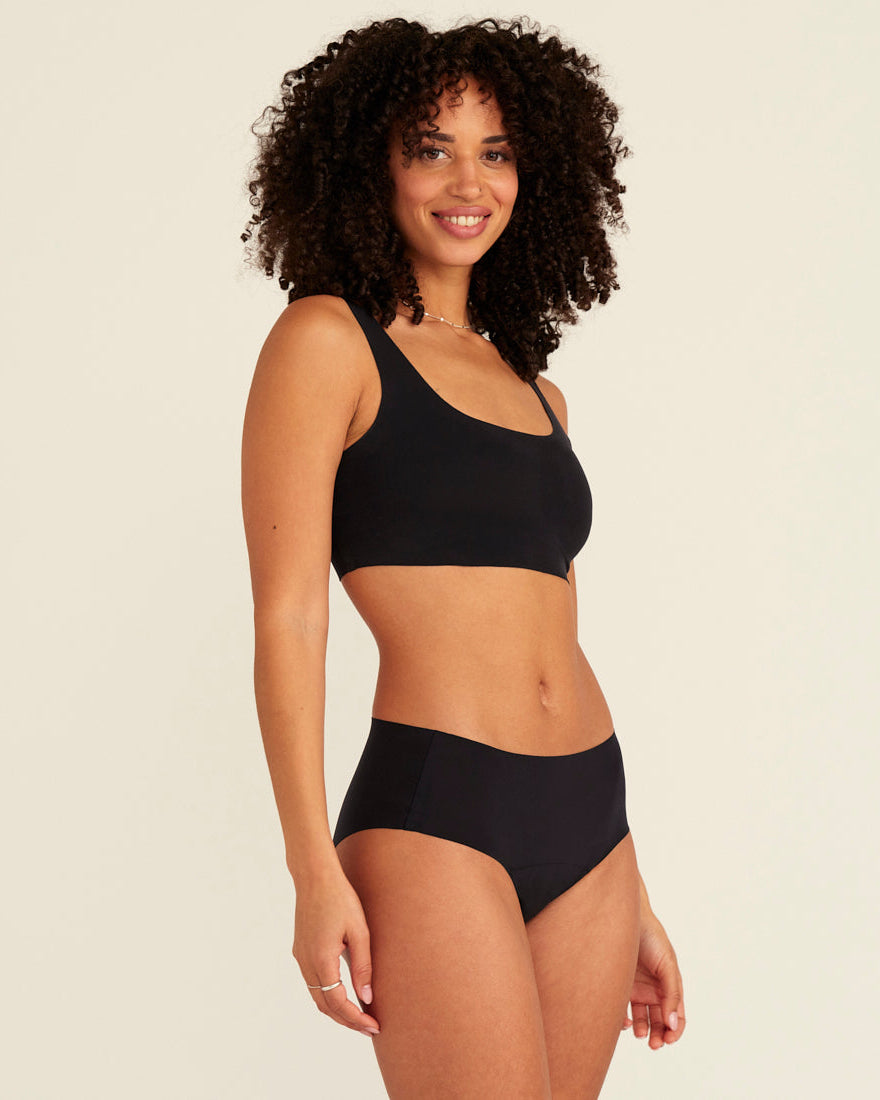
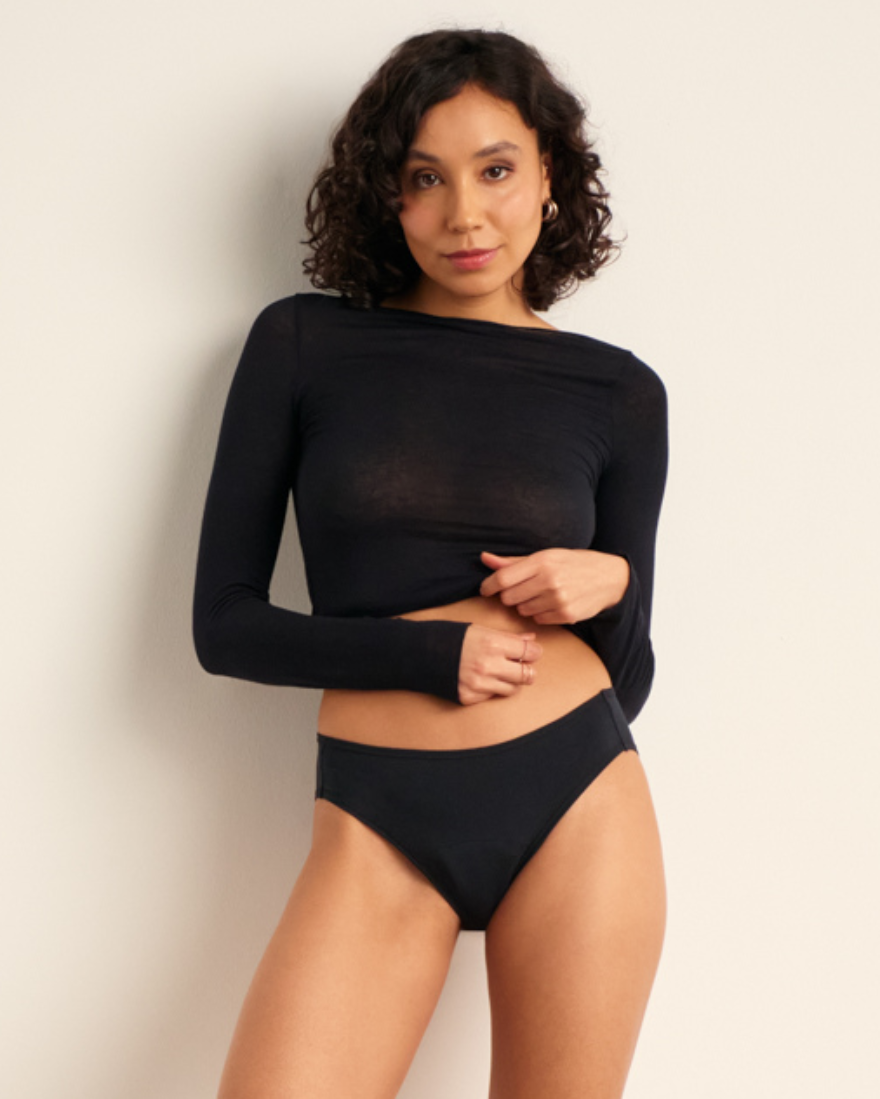
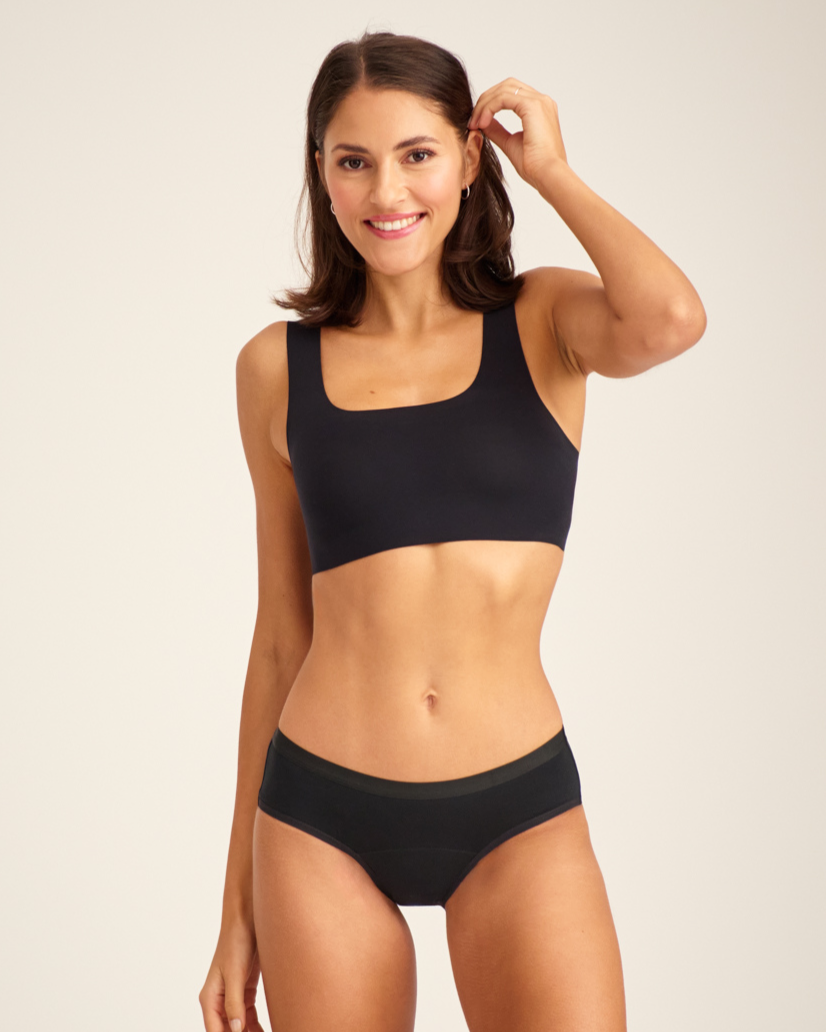
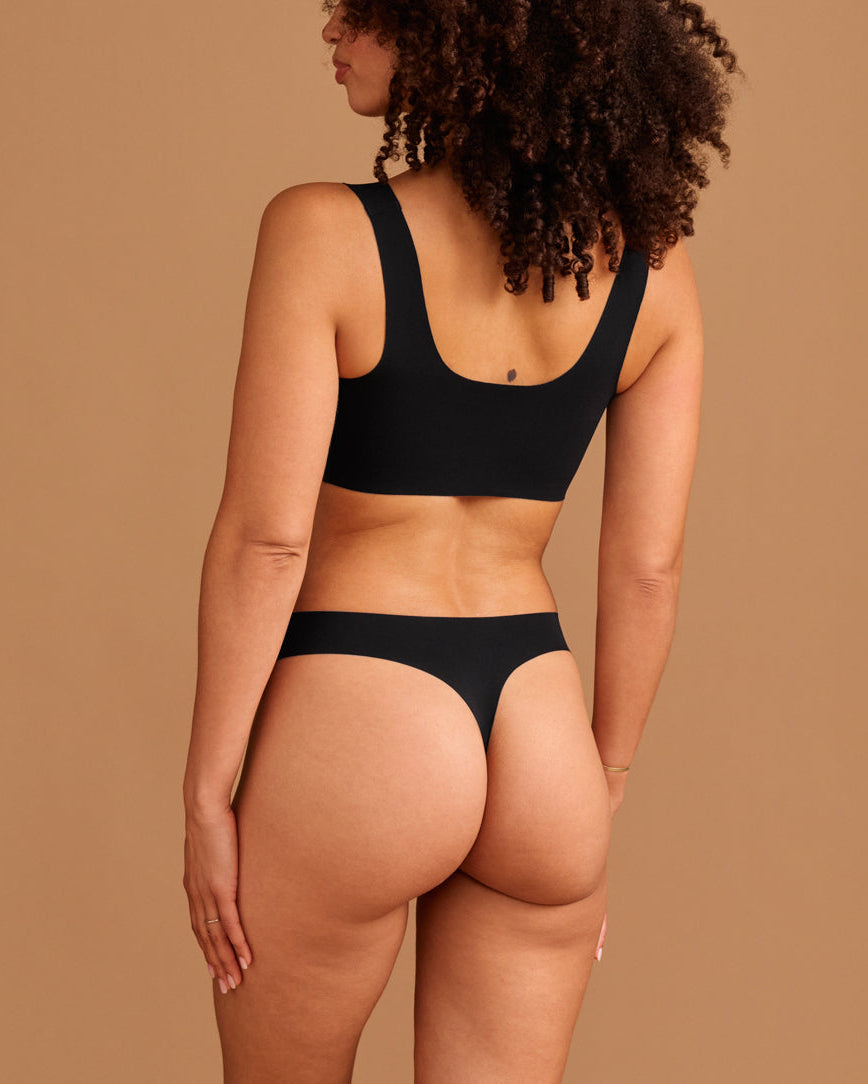
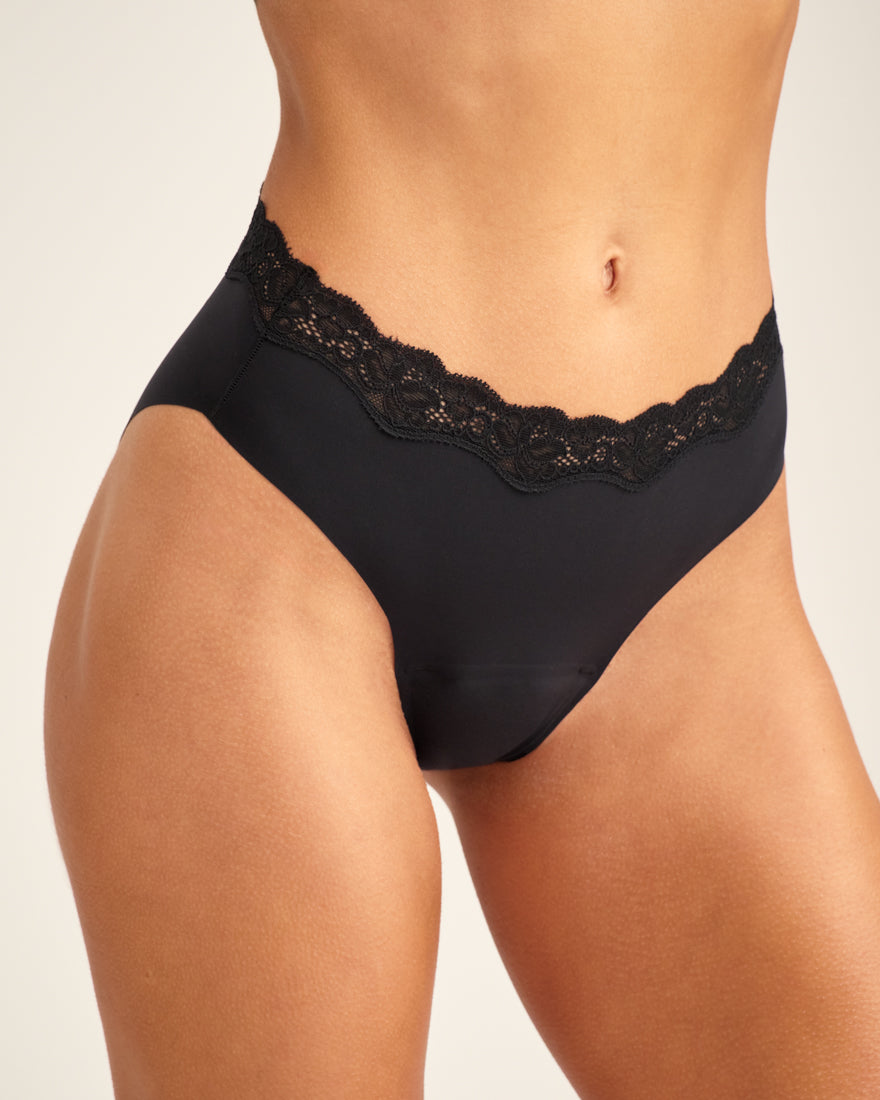
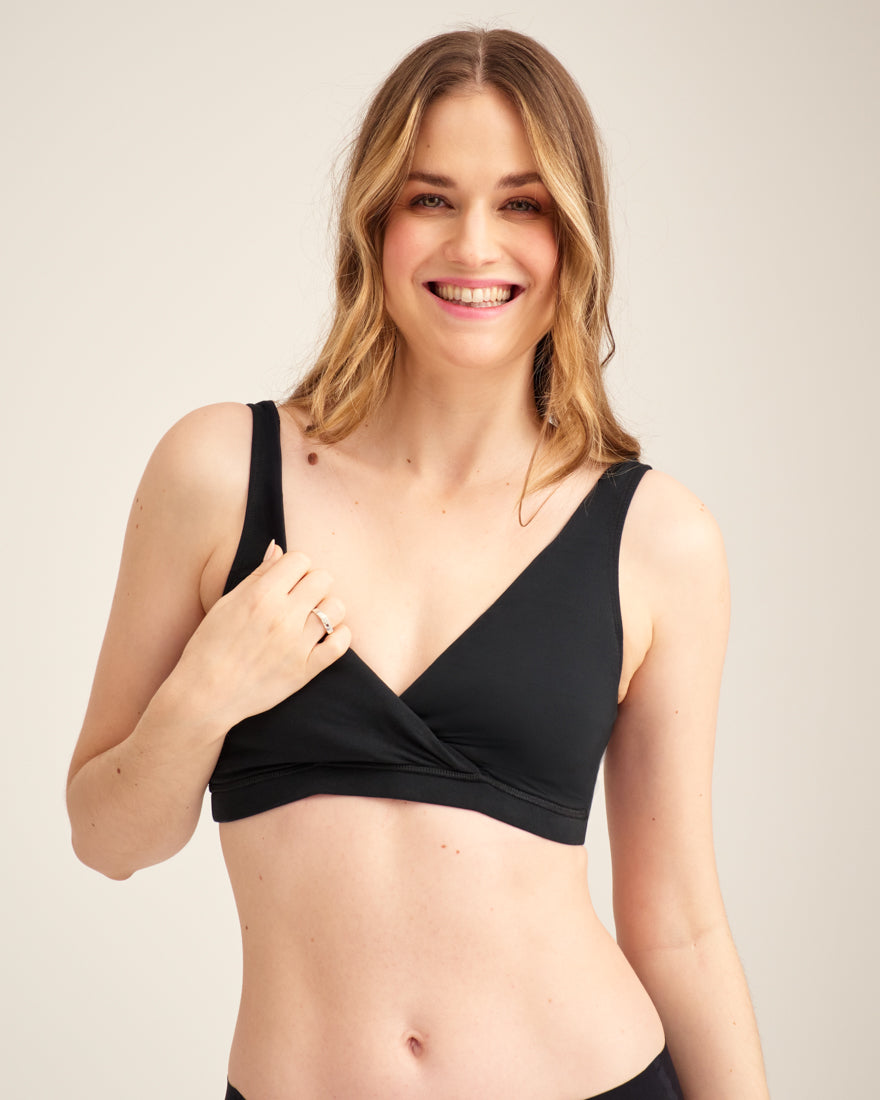
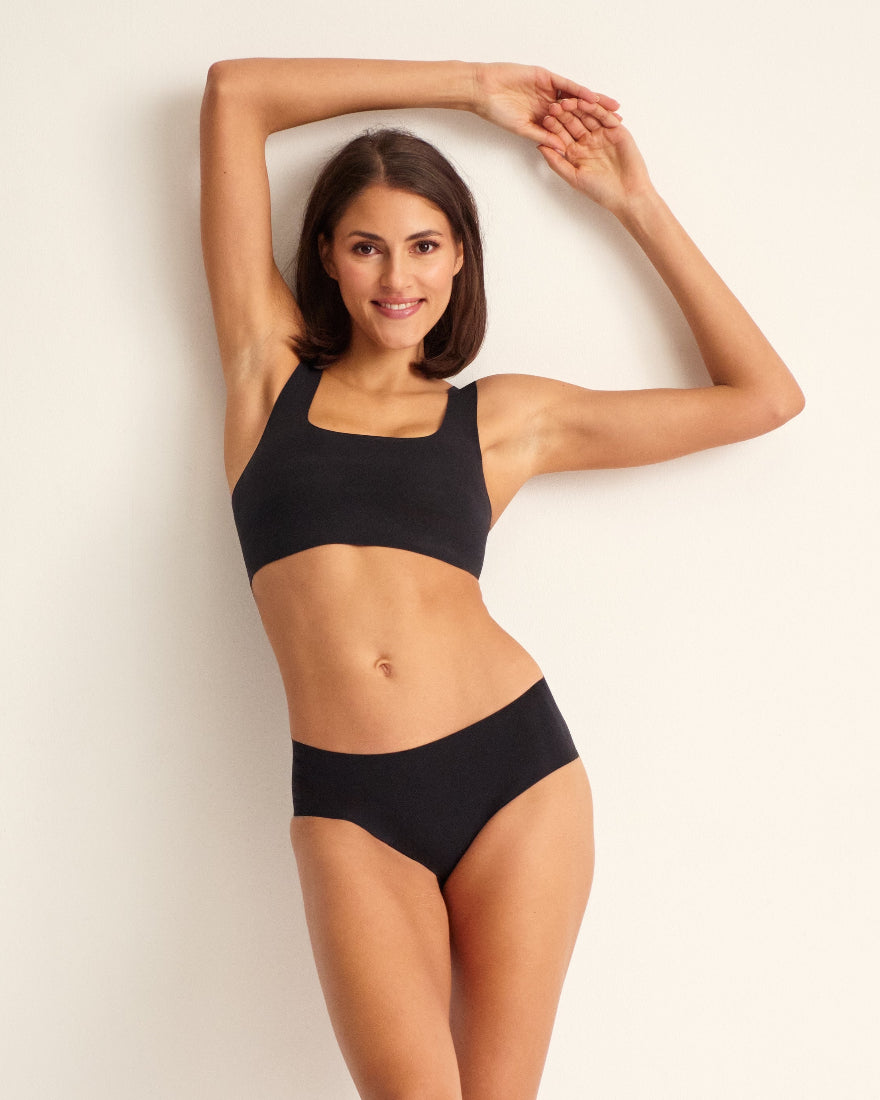
ooia period panties are your reliable companion all year round - but when it gets colder outside, their extra comfort can be particularly beneficial. The super-elastic fabrics gently cling to your body like a second skin, giving you exactly the warmth and security you need. At the same time, they remain breathable so you can feel fresh and comfortable at all times. This way, they optimally accompany you throughout your entire cycle.
Discover our bestsellers