Heavy Bleeding
Some people experience their periods much more intensely than others – so intensely that it affects their daily lives, disrupts appointments, or constantly raises concerns about whether everything will really hold up. If you relate to this, you are not alone. Heavy bleeding should be taken seriously, as it is often misunderstood or simply accepted, even though there are many possible causes and helpful support options.
What does Heavy Bleeding mean?
Heavy bleeding is a term for heavy menstrual bleeding.
It's not just about specific milliliter counts; what matters is how much the bleeding restricts your daily life. Heavy bleeding is therefore not a diagnosis, but a description of a symptom.
Typically, it refers to bleeding that no longer fits one's "normal" cycle and feels significantly more intense than what you are used to.
What symptoms can occur with a heavy period?
Heavy bleeding can manifest in various ways. Those affected often describe:
- Bleeding lasting longer than seven days
- The feeling that daily life is restricted – because the bleeding is heavier than usual period products can handle
- Fatigue, exhaustion, or shortness of breath due to increased blood loss
- The need to change every one to two hours
- Blood clots larger than about 2.5 cm
If these points sound familiar to you, it is advisable to seek a medical assessment.
What are common causes of a heavy period?
The FIGO (the World Organization for Gynecology and Obstetrics) generally categorizes possible causes into two groups: structural and non-structural.
Structural causes
Here, certain areas of the uterus change. Examples include:
- Polyps
- Adenomyosis (endometrial tissue in the muscle layer)
- Leiomyomas/fibroids (benign muscle knots)
- Hyperplasia
- Malignant changes
These causes can usually be identified through physical examinations and ultrasound.
Non-structural causes
Here, the cause does not lie in a visible change in the uterus. Examples include:
- Coagulation disorders
- Ovulatory disorders
- Changes in the uterine lining (endometrial factors)
- Medications or medical procedures
Hormonal changes – for example, shortly after the first period, after childbirth, or during menopause – can also play a role.
Important to know: Often, several factors combine.


Does hormonal contraception cause heavier periods?
Hormonal contraception does not usually lead to heavier menstruation. However, it can affect the cycle in various ways:
- Progestogen-only pill (mini pill):
Spotting is particularly common here. It can also occur if the pill is not taken at the usual time.
- Morning-after pill:
Can also cause spotting or lead to a delayed period.
- Hormonal IUD:
The progestogen (progesterone) it contains prevents the usual build-up of the uterine lining. This can often make bleeding significantly lighter.
Overall, hormonal contraception tends to lighten periods, but can also temporarily lead to intermenstrual bleeding or slight cycle changes.
What health consequences can heavy bleeding have?
Heavy or prolonged bleeding can have physical consequences that should not be ignored.
Common consequences are:
- Iron deficiency: Iron is crucial for the formation of red blood cells and oxygen transport.
- Anemia: It can lead to fatigue, paleness, headaches, cold hands and feet, or shortness of breath.
- In cases of severe anemia, dizziness, shortness of breath, or heart palpitations can sometimes occur.
If you suspect that your period is causing such symptoms, seeking medical support is always the right step.
What helps with a heavy period?
Documentation makes a big difference
The PBAC Score (Pictorial Blood Loss Assessment Chart) is a simple tool to record the severity of your bleeding.
You note daily:
- how many period products you used
- how saturated they were
This results in a score that helps doctors realistically assess your bleeding and recommend appropriate next steps.
If your bleeding is unusually heavy, painful, or long, a conversation with a medical professional is always worthwhile.
Knowing about your own body is the first step - talking about it is the second.
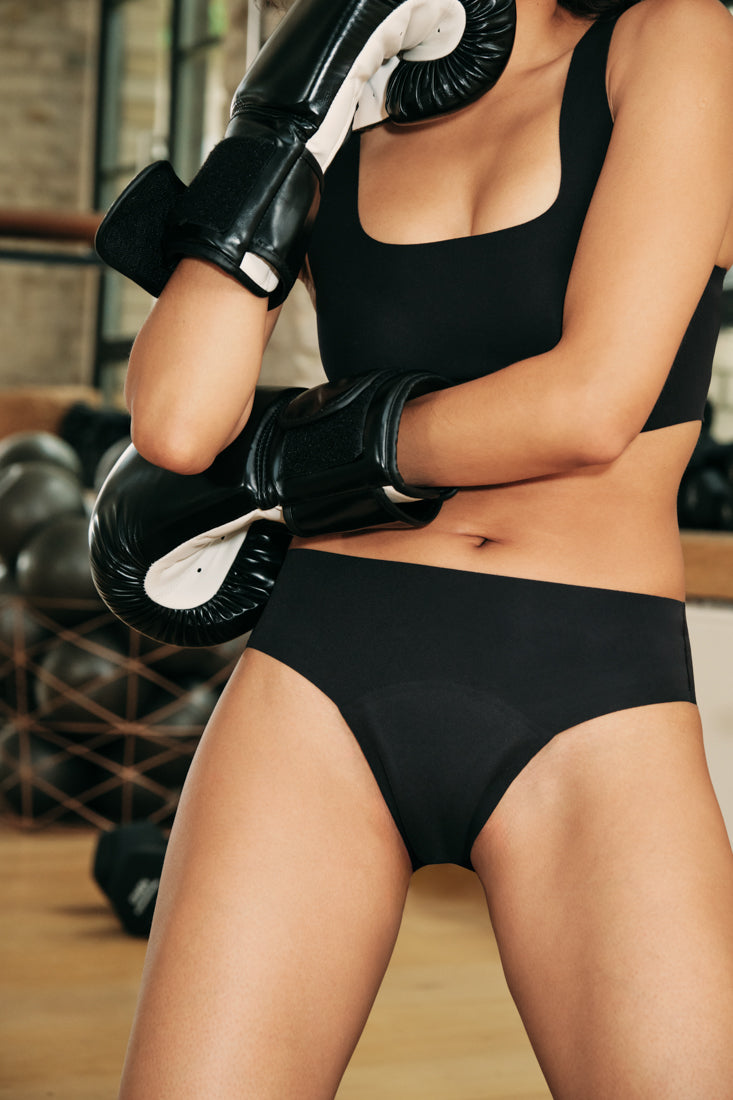
Everyday Support: Our Most Absorbent Period Underwear
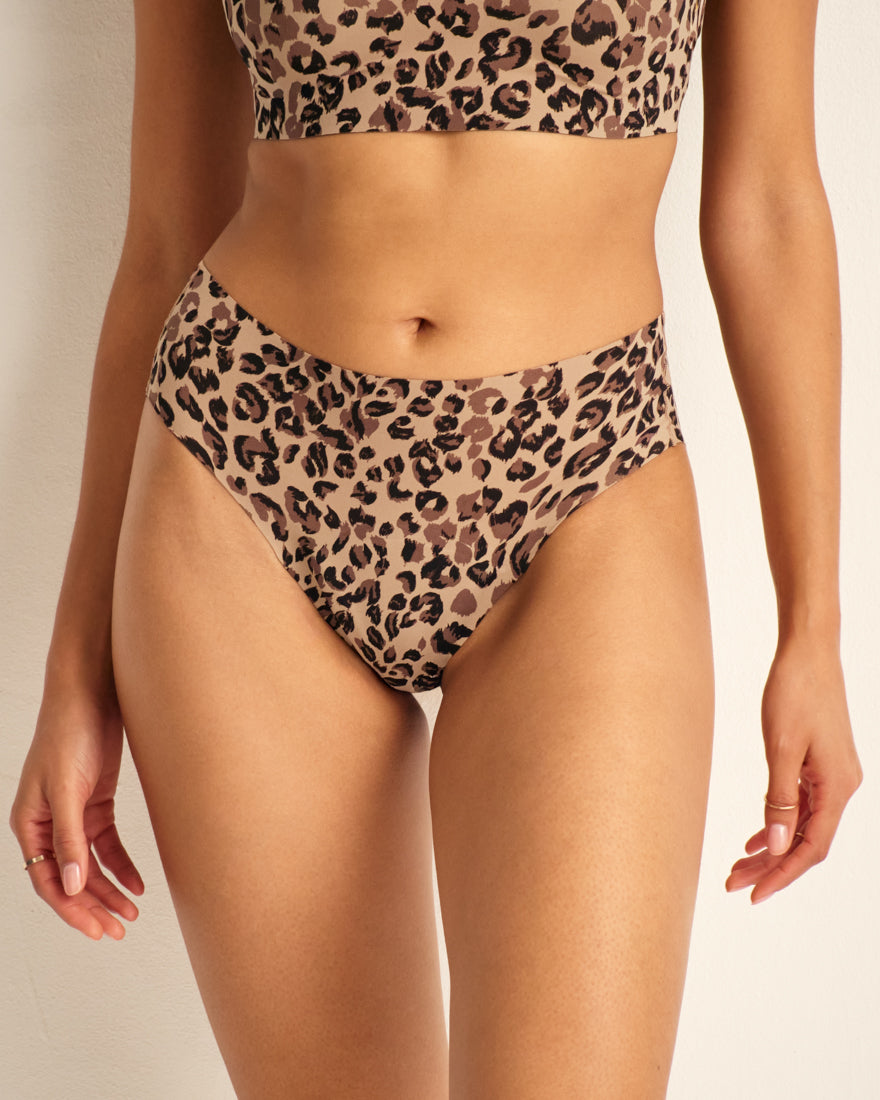
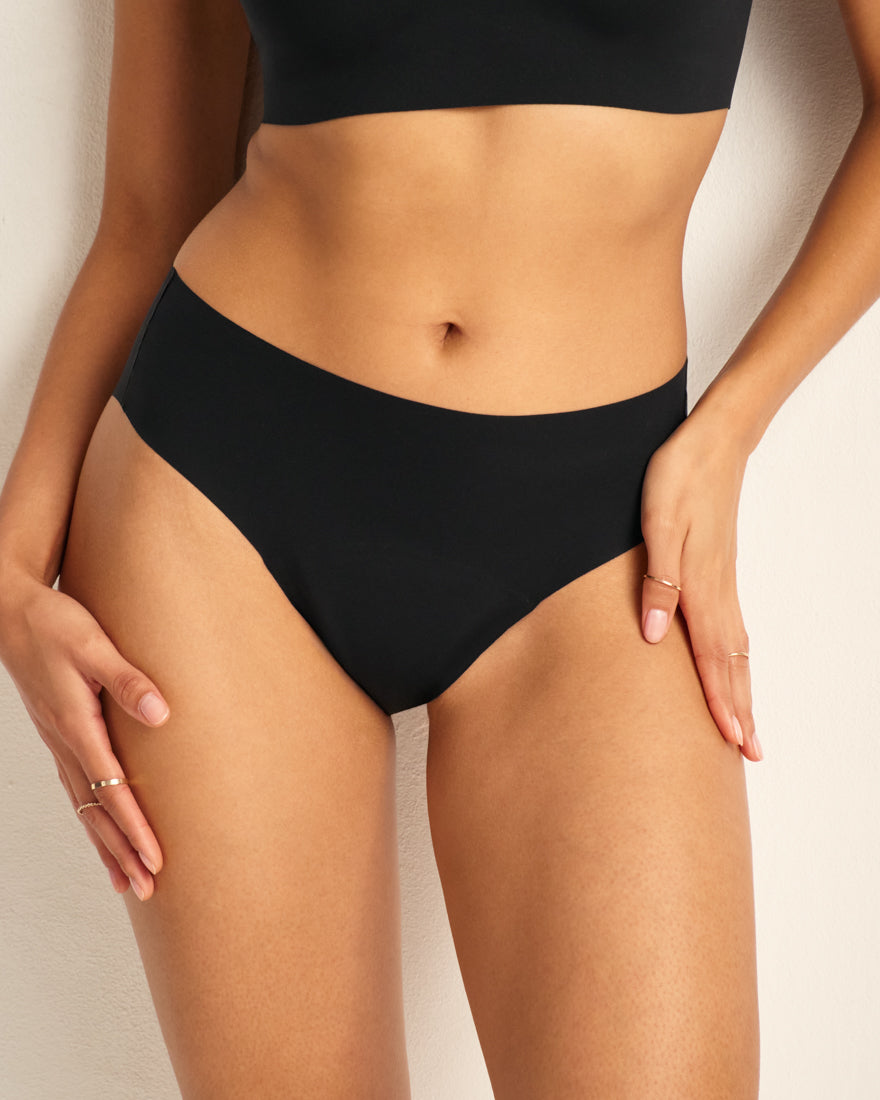
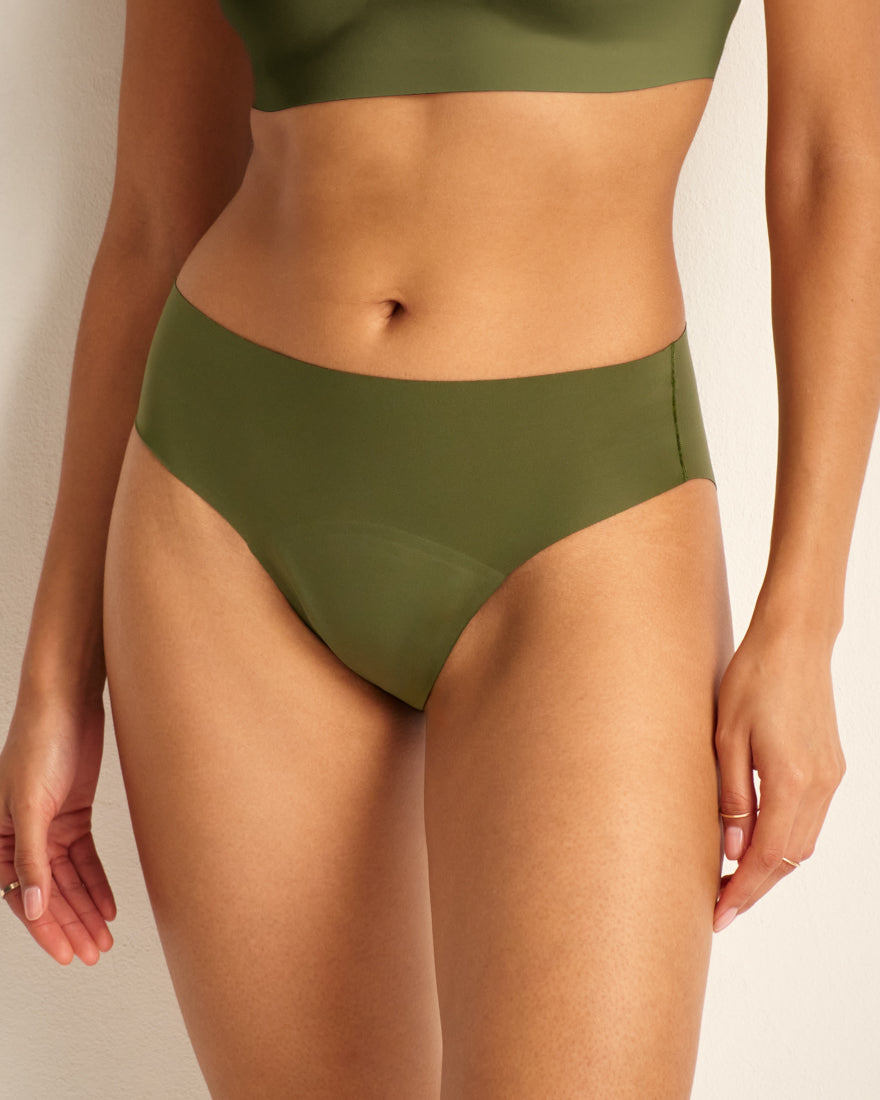
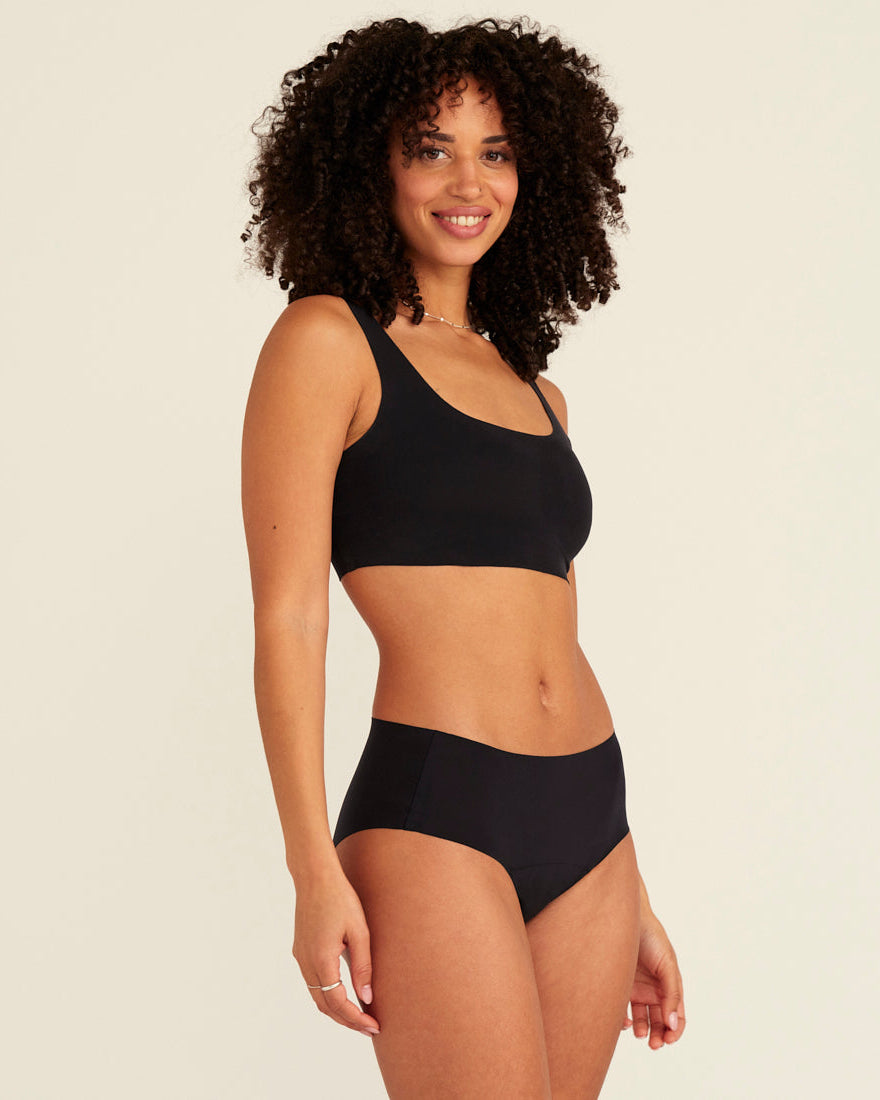
For those who experience particularly heavy menstruation or identify with the description of heavy bleeding, we have developed period underwear that reliably protects you.
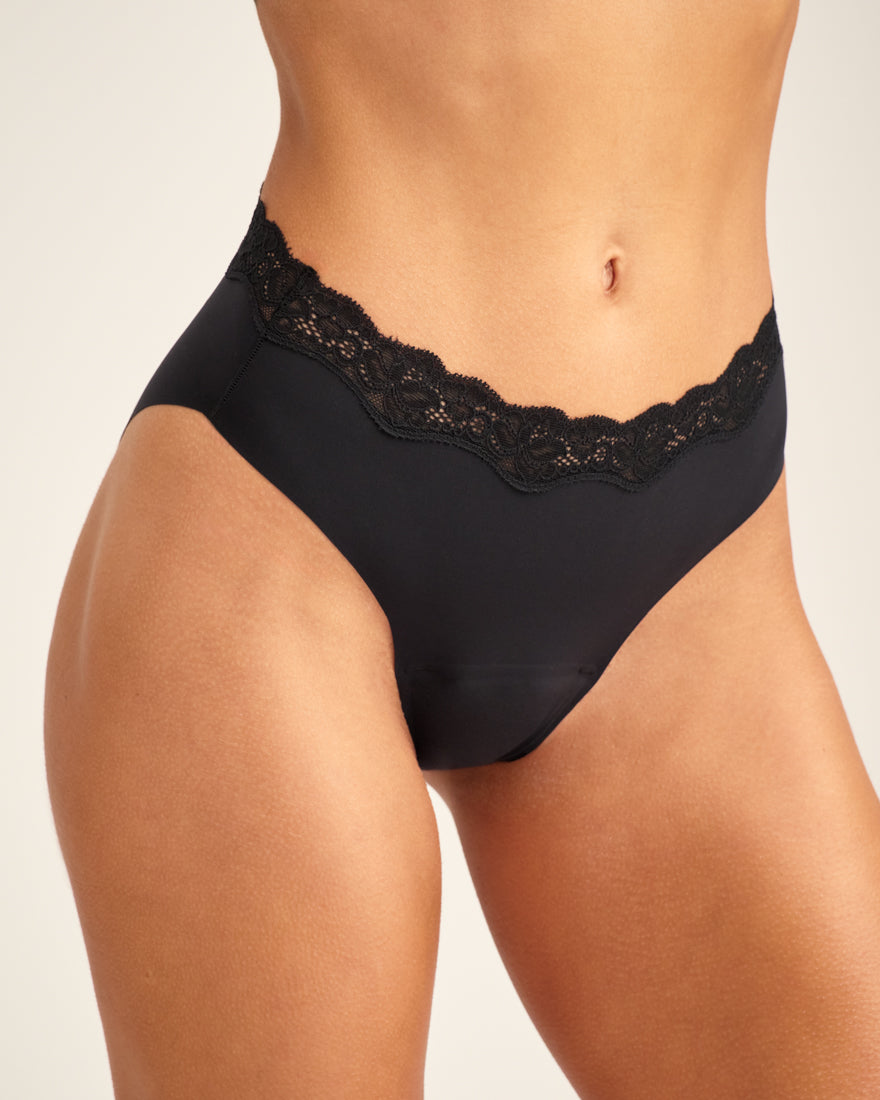
The ooia Slip Seamless Ultimate
The most absorbent period slip on the market – developed for extra heavy menstruation.
It can absorb up to 10 tampons worth of liquid and is still only about 1mm thicker than regular underwear. The absorbent membrane system extends to the back waistband, offering extra security even when lying down.
Our Extra Strong Models
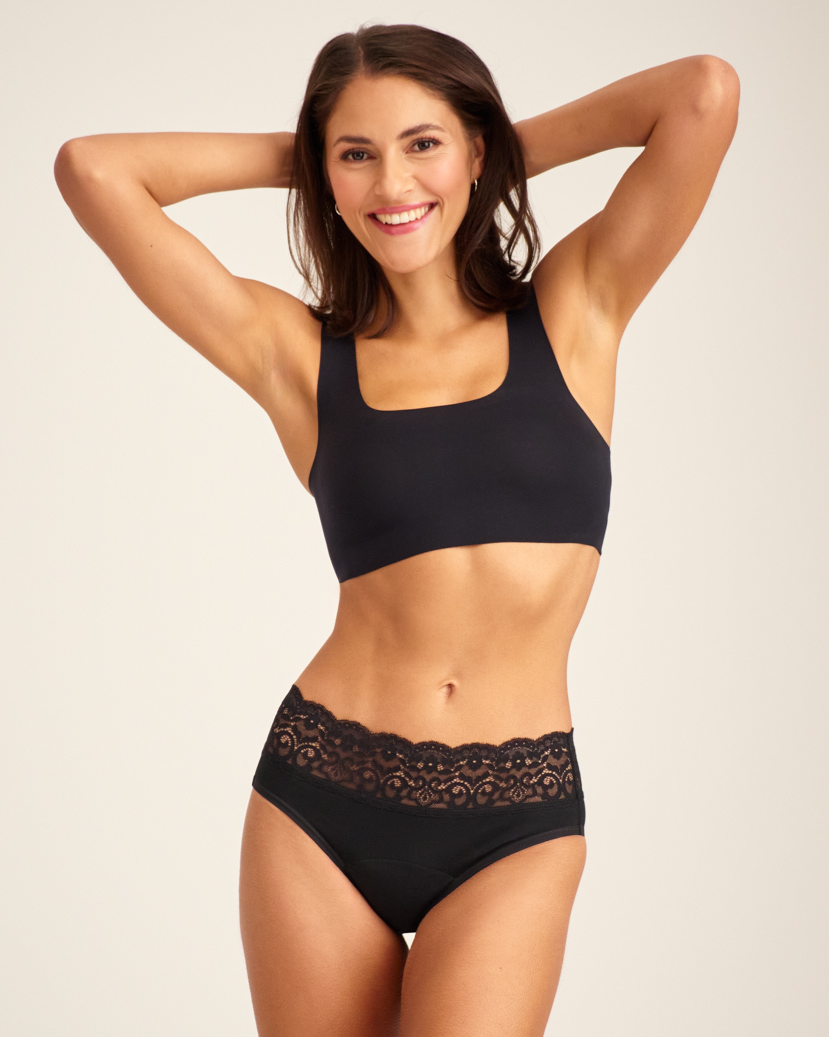
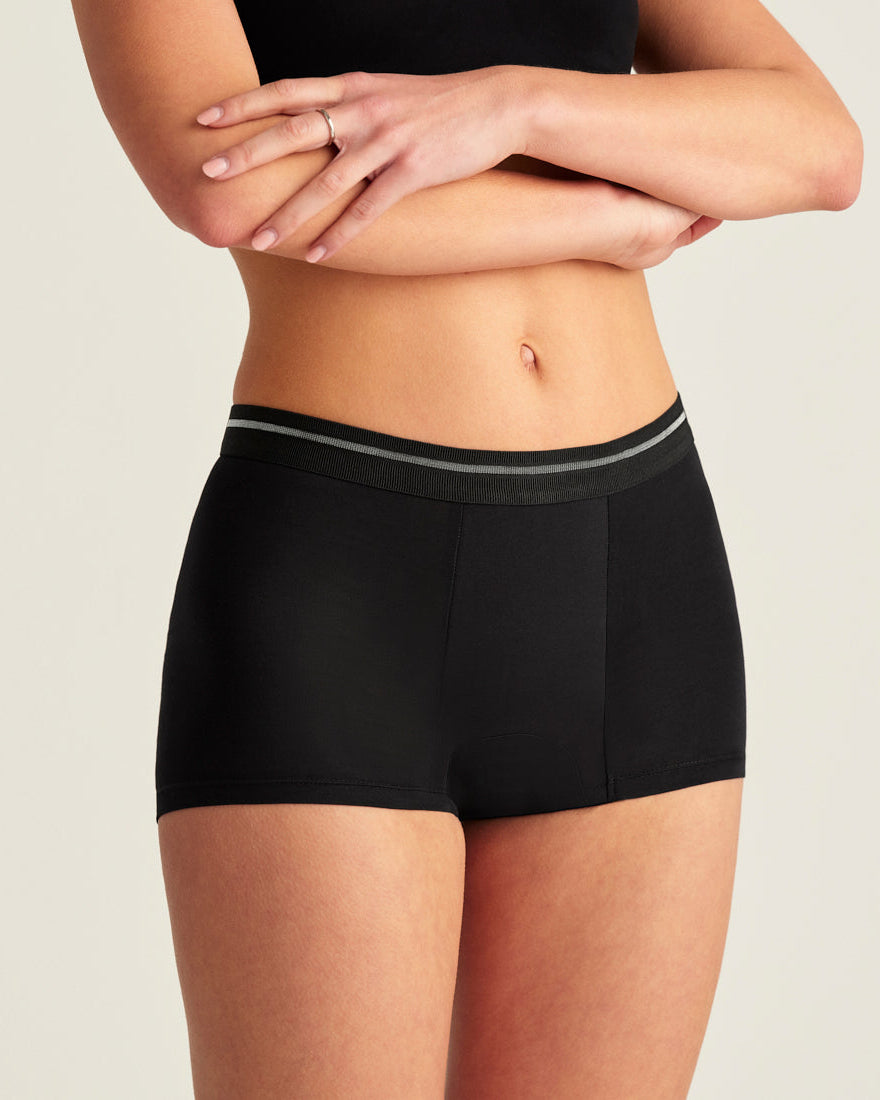
For heavy bleeding, our Extra Strong panties also reliably support you with an absorbency of up to 6 tampons. Perfect for everyday wear, for night, or for sports activities. The period slips move with you, do not slip, and offer reliable protection – and our Seamless panties remain completely invisible under your clothing.
You can find period underwear for heavy flows here: