Blasenschwäche nach der Geburt
Warum so viele Frauen* betroffen sind und trotzdem kaum jemand darüber spricht
Eine Schwangerschaft verändert vieles. Den Körper. Den Alltag. Das eigene Gefühl für sich selbst.
Und trotzdem gibt es Themen, über die noch immer erstaunlich wenig gesprochen wird, obwohl sie unglaublich viele Frauen* betreffen.
Eines davon: Blasenschwäche nach der Geburt.
Dabei ist Inkontinenz nach der Geburt nichts Seltenes und vor allem nichts, wofür man sich schämen müsste.
Wie viele Frauen* haben nach der Geburt eine Blasenschwäche?
Etwa jede dritte Frau* erlebt nach der Geburt Symptome einer Belastungsinkontinenz.
Außerdem können sich bei etwa 10 bis 40 % der Frauen* in den Folgejahren nach Schwangerschaft und Geburt Beschwerden entwickeln wie:
- Senkungen der Gebärmutter, Eierstöcke und/oder Vulva
- Beschwerden im Beckenbodenbereich
Warum entsteht Inkontinenz nach der Geburt?
Kurz gesagt: Weil Schwangerschaft und Geburt den Beckenboden enorm beanspruchen können.
Besonders bei einer vaginalen Geburt werden Muskeln, Bänder und Nerven im Beckenboden stark gedehnt. In manchen Fällen können sogar kleine Verletzungen entstehen. Dadurch kann die Funktion des Verschlusses der Harnröhre beeinträchtigt werden.
Aber auch die Schwangerschaft selbst belastet den Körper bereits stark:
- Hormone können das Bindegewebe lockern
- Das Gewicht von Baby, Fruchtwasser und Gebärmutter erhöht den Druck auf den Beckenboden
Der Beckenboden arbeitet also über lange Zeit im Ausnahmezustand. Dass er danach Erholung braucht, ist vollkommen nachvollziehbar.

Wie merkt man eine Blasenschwäche nach der Geburt?
Viele Frauen* berichten, dass sie erste Veränderungen bereits im Wochenbett wahrnehmen.
Dabei kann das Gefühl entstehen, die Blase nicht mehr ganz so zuverlässig kontrollieren zu können wie vor der Schwangerschaft.
Mögliche Anzeichen könnten sein:
- wenige Tropfen Urin beim Niesen oder Husten
- Urinverlust beim Lachen
- Unsicherheit beim Sport
- häufiger Harndrang
- das Gefühl, die Blase nicht vollständig kontrollieren zu können
Gerade leichte Beschwerden werden oft heruntergespielt. Trotzdem kann es sinnvoll sein, Veränderungen ernst zu nehmen und ärztlich abklären zu lassen, besonders dann, wenn sie als belastend empfunden werden.
Wie lange dauert es, bis sich Inkontinenz nach einer Geburt wieder bessert?
Die gute Nachricht: In vielen Fällen verbessert sich die Blasenkontrolle wieder deutlich.
Häufig treten Beschwerden vor allem in den ersten Wochen nach der Geburt auf. Mit der Regeneration des Beckenbodens gewinnen viele Frauen* nach einigen Monaten ihre Kontrolle zurück.
Etwa drei Monate nach der Geburt erleben viele bereits eine deutliche Verbesserung ihrer Symptome.
Trotzdem gilt auch: Jeder Körper heilt unterschiedlich schnell.
Wenn Nerven oder Muskeln stärker betroffen sind, kann die Erholung länger dauern, manchmal sogar mehrere Jahre.
Deshalb ist es wichtig, Beschwerden ernst zu nehmen und sich Unterstützung zu holen, wenn die Belastung im Alltag bleibt.
Welche Faktoren können eine Inkontinenz nach der Geburt begünstigen?
Es gibt einige Risikofaktoren, die eine längere oder stärkere Blasenschwäche wahrscheinlicher machen können. Dazu gehören unter anderem:
- bereits bestehende Blasenschwäche vor der Schwangerschaft
- höheres Geburtsgewicht des Kindes
- Alter der Mutter über 35 Jahre
- erhöhter Body-Mass-Index
- Schwangerschaftsdiabetes
- mehrere vaginale Geburten
- eine lange Austreibungsphase während der Geburt
Auch Frauen* ohne Risikofaktoren können betroffen sein.
Wie kann ich gegen Blasenschwäche vorbeugen?
Beckenbodentraining kann dabei helfen, Blasenschwäche nach der Geburt vorzubeugen. Denn der Beckenboden stützt Blase und Gebärmutter und unterstützt außerdem den Verschluss der Harnröhre. Schwangerschaft und Geburt können diese Muskulatur stark beanspruchen, umso wichtiger kann es sein, den Beckenboden gezielt zu stärken.
Die gute Nachricht: Häufig lässt sich der Beckenboden mit einfachen Übungen im Alltag trainieren. Wichtig dabei sind Regelmäßigkeit, Geduld und ein gutes Körpergefühl. Besonders nach der Geburt kann es sinnvoll sein, Übungen vorab ärztlich oder physiotherapeutisch abklären zu lassen.

Hilfreiche Übungen könnten zum Beispiel sein:
- Becken kippen: Das Becken beim Ausatmen leicht nach vorne kippen und den Beckenboden bewusst anspannen.
- Aktiv sitzen: Im Sitzen die Sitzbeinhöcker gedanklich zusammenziehen und den Beckenboden aktivieren.
- Knie wippen: Im Vierfüßlerstand die Knie leicht anheben und kleine Bewegungen ausführen.
- Unterarmstütz mit Zehenheben: Kann die Körpermitte und den Beckenboden stärken.
- Rücken rollen: Das Becken im Liegen langsam anheben und Wirbel für Wirbel aufrollen.
- Bewusst entspannen: Auch Erholungspausen und bewusstes Atmen können den Beckenboden unterstützen.
Vielen Frauen* kann regelmäßiges Beckenbodentraining helfen, wieder mehr Stabilität und Vertrauen in den eigenen Körper zu erhalten.
Was kann Inkontinenz nach der Geburt entgegenwirken?
Welche Behandlung sinnvoll sein könnte, hängt immer davon ab, wie stark die Beschwerden ausgeprägt sind und in welcher Lebensphase sich die betroffene Person befindet. Deshalb ist es wichtig, mögliche Maßnahmen eng ärztlich abklären zu lassen, bevor eine Behandlung begonnen wird.
Häufig kann die gezielte Kräftigung der Beckenbodenmuskulatur eine wichtige Rolle spielen, idealerweise mit Unterstützung spezialisierter Physiotherapeut*innen. Denn der Beckenboden braucht nach Schwangerschaft und Geburt oft Zeit, gezieltes Training und vor allem Geduld.
Ergänzend könnten, je nach individueller Situation, auch weitere Verfahren infrage kommen:
- Biofeedback: Dabei werden körperliche Signale wie Muskelspannung, Atmung oder Hautleitwert mithilfe von Sensoren schmerzfrei gemessen.
- Elektrostimulation: Hierbei wird die Muskulatur durch leichte elektrische Impulse stimuliert, was das Training des Beckenbodens unterstützen könnte.
- Kontinenzfördernde Hilfsmittel: Dazu zählen beispielsweise sogenannte Pessare, die zusätzlich Stabilität geben können.
- Pessartherapie: Diese konservative, nicht-operative Behandlungsmethode kann bei Senkungen von Gebärmutter, Blase oder Darm sowie bei Inkontinenz eingesetzt werden. Dabei werden spezielle Silikonhilfsmittel in die Vulva eingeführt, um abgesenkte Organe mechanisch zu stützen, die Statik im Becken zu verbessern und Beschwerden wie unfreiwilligen Harnverlust möglicherweise zu lindern.
- Operative Verfahren: In manchen Fällen kann auch eine Operation infrage kommen. Dieser Schritt sollte jedoch immer individuell und sorgfältig abgewogen werden.
Viele Frauen* berichten, dass regelmäßiges Training und gezielte Unterstützung ihnen helfen könnten, wieder mehr Sicherheit im Alltag zu gewinnen. Und manchmal ist genau das der wichtigste erste Schritt: dem eigenen Körper Zeit zu geben.
So kannst du dich auch mit Blasenschwäche im Alltag wohlfühlen
Eine von vier Frauen erlebt im Laufe ihres Lebens Blasenschwäche Du auch? Dann bist du damit definitiv nicht allein.
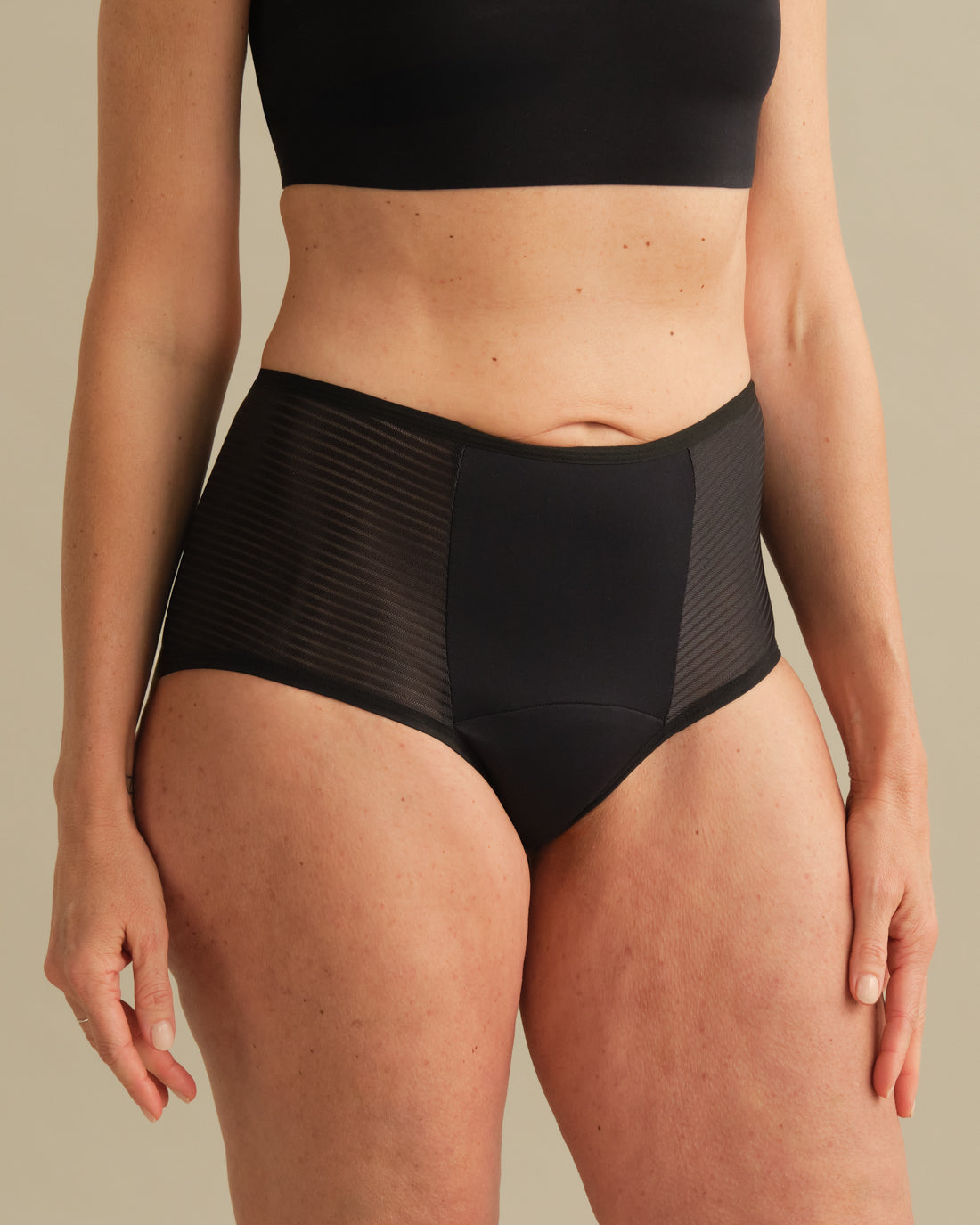
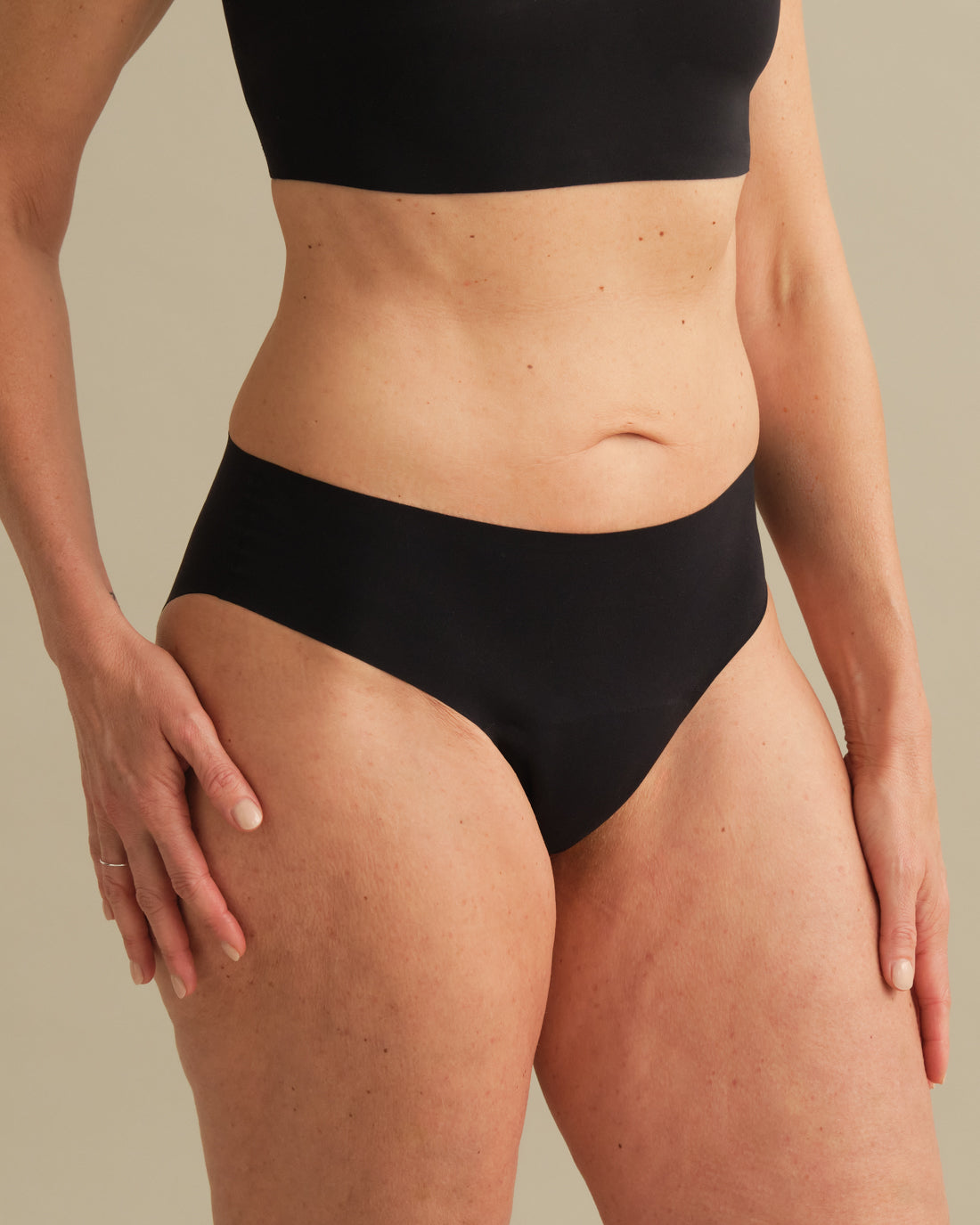
Genau hier setzen wir an: Mit über 7 Jahren Expertise in der Entwicklung von Periodenunterwäsche haben wir absorbierende Slips entwickelt, die dich auch bei leichter Blasenschwäche zuverlässig im Alltag begleiten und dich genau dann unterstützen, wenn es darauf ankommt.
Sicher, bequem und so designt, dass nichts verrutscht und du dich frei bewegen kannst. damit du dich wieder mehr auf das konzentrieren kannst, was wirklich zählt.
Entdecke die Inkontinenz Slips von ooia